READ IN ENGLISH
UNA CUBA SOBERANA
Por Alexis Molina López-Hidalgo, con el pen name como escritor y ensayista de Caerith Alondar.
Jueves 23 de octubre de 2026
PRÓLOGO
La distancia crítica desde Liverpool
Por Caerith Alondar
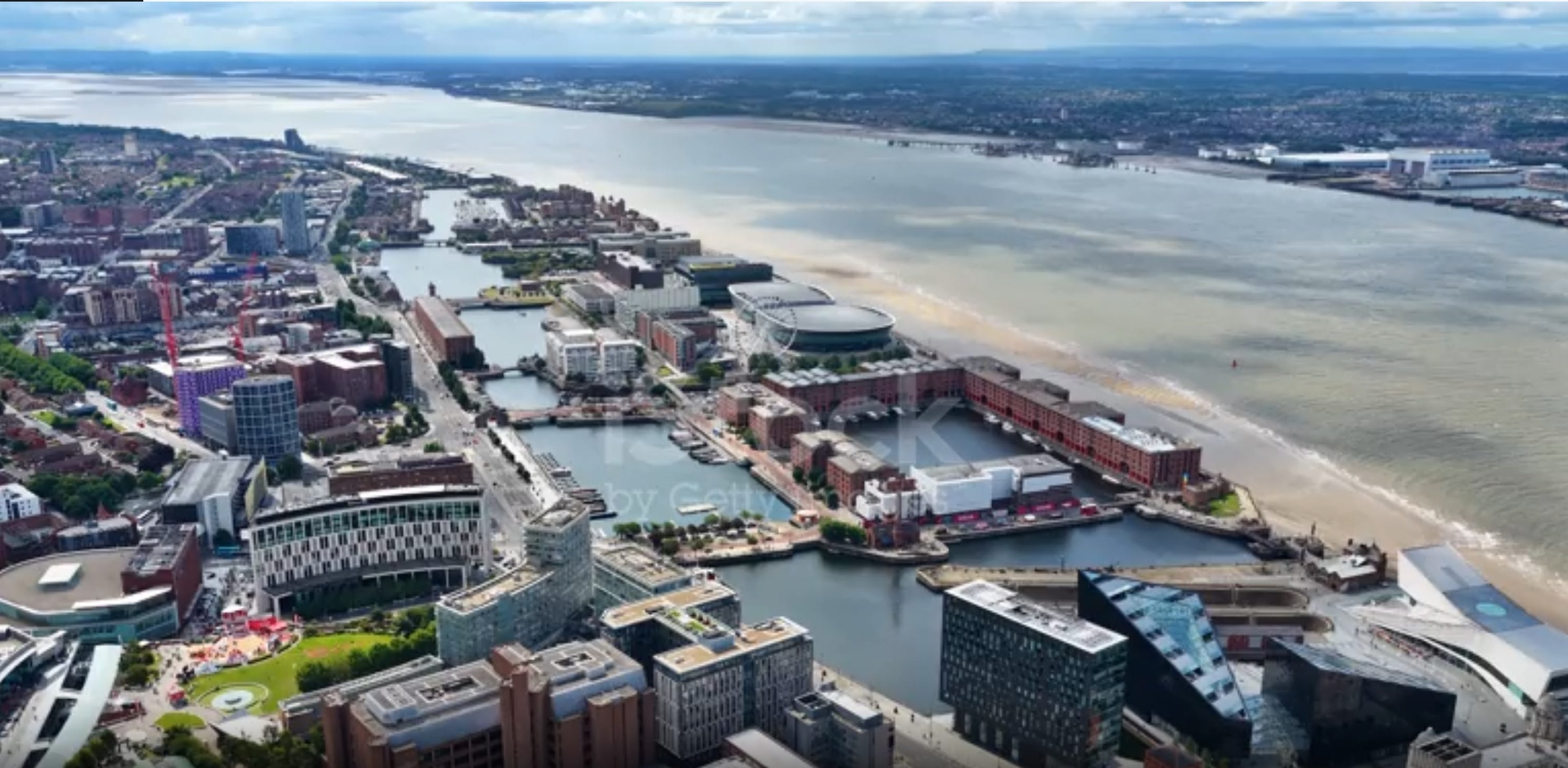
Miro el agua gris del río Mersey desde mi mesa de trabajo en Liverpool, y lo que tengo delante no es solo el norte de Inglaterra; es la desembocadura natural del Atlántico, la misma autopista líquida que durante siglos vio pasar las flotas del comercio imperial, el vapor, el azúcar y las ruinas de los reinos que creyeron que su poder duraría para siempre.
Vivir y escribir aquí, a miles de kilómetros de la historia tropical del estrecho de la Florida, impone una disciplina involuntaria. Te obliga al silencio. Te despoja de las pasiones inmediatas, de las presiones de tribu y del ruido ensordecedor de los micrófonos de salón. En esta latitud, donde la historia no se cuenta con consignas sino con piedras centenarias, astilleros mudos y tratados de bancarrota, las cosas recuperan su peso específico: un imperio es un imperio, una deuda es una deuda, y una tragedia nacional no se resuelve con conferencias de prensa ni con discursos inflamados en un mitin político.
Escribo estas páginas desde una vivienda compartida en Liverpool, con el presupuesto justo de un exiliado desempleado más. Lo dejo consignado para que quede claro que no tengo empresa, contrato ni cargo que defender. No pido nada, solo ofrezco. No tengo nada que ganar ni que perder.
Sé lo que el lector tiene en mente. Esto que abre ahora es denso, es largo, es pesado y exige un esfuerzo intelectual que no siempre abunda. Ya sé que todos tenemos el tiempo severamente limitado por el trabajo, la familia y las urgencias cotidianas de la supervivencia en un mundo implacable. Pero la verdad es que leer esto es una necesidad ineludible. No vine a escribir un pasquín rápido para consumir en una pantalla de teléfono entre una notificación y otra. Vine a dejar un plano de Estado. Léalo, entiéndalo, critíquelo con rigor y mejórelo si encuentra un camino mejor. Pero no mire a otro lado: de este diagnóstico depende que nuestra patria deje de ser un botín.
Durante sesenta y siete años, a los cubanos nos han obligado a elegir entre dos escenografías teatrales igualmente falsas, igualmente degradantes y extraordinariamente rentables para sus directores de escena.
Por un lado, el espectáculo de La Habana: una tiranía dinástica envuelta en los harapos ideológicos de una revolución que jamás existió; un régimen que administra el hambre con precisión militar, que destruyó la moneda, el campo y la moral de la nación, mientras sus jerarcas esconden sus ganancias en paraísos fiscales de Europa y Panamá, culpando de su propia descomposición a un enemigo externo que, en la práctica, ha sido el mejor socio de su supervivencia.
Por el otro lado, la pantomima de Miami: una clase política que convirtió el dolor del destierro en una industria de recaudación electoral; empresarios con chequeras abultadas que llevan décadas reuniéndose en salones climatizados para soñar con soluciones, planes en papel y diseñar una Cuba futura a la medida de sus carteras, olvidando la ley más elemental del poder: que el sistema financiero internacional no reconoce buenas intenciones, sino autoridades jurídicas constituidas.
Me niego a aceptar ese binomio conceptual. Este libro no pertenece a ninguna de esas dos orillas. Nace de la distancia crítica de quien sobrevivió treinta y un años dentro del vientre de la bestia. Yo no aprendí lo que es el totalitarismo en un seminario universitario ni a través de los informes de una ONG en Washington. Yo llevé la vigilancia de los CDR en la espalda; vi cómo se destruía metódicamente el alma de mi gente a través de las calorías contadas de una libreta de racionamiento; y saqué mi vida a pulso de ese naufragio en el invierno más oscuro, frío y desesperado del Período Especial, en 1992.
Conozco el olor del derrumbe. Y sé con certeza matemática que cuando un sistema entra en necrosis física terminal —cuando la red eléctrica muere, cuando la tierra ya no produce y el dinero se disuelve en aire—, el desenlace no se negocia con la diplomacia de las ilusiones.
La tesis de esta obra es tan simple como brutal: la República de Cuba no fue liberada en 1959; fue sometida a una liquidación concursal planificada. Se neutralizó a un competidor comercial y financiero soberano que amenazaba la hegemonía del norte, transfiriendo su azúcar, su turismo, sus telecomunicaciones y su talento a las arcas continentales, mientras se dejaba a un tirano narcisista jugar a ser Dios sobre las ruinas de una finca cautiva. Y el embargo que siguió no fue una espada para liberarnos, sino un muro de contención macroeconómico (economic blast wall): un dique erigido para impedir que la inmensa masa de capital acumulada por el exilio regrese a levantar al titán que ellos mismos ayudaron a demoler.
Hoy, ese dique está a punto de quebrarse bajo el peso de su propia descomposición. Y el peligro más siniestro que enfrenta la nación cubana no es que la dictadura continúe —su tiempo biológico e industrial se ha agotado—, sino lo que ocurrirá el segundo después de la fractura. Si el día que caiga el muro no existe un Estado previo constituido, no habrá resurrección: habrá una subasta. Los generales de GAESA se quitarán el uniforme verde olivo, se pondrán trajes de corte italiano y le entregarán los puertos, las playas y el suelo de Cuba a fondos buitres de Wall Street y ejércitos privados extranjeros. Cambiaremos de capataz, pero la finca seguirá siendo ajena.
Para evitar esa última y definitiva humillación existe este libro. Lo que el lector tiene en sus manos no es un volumen de memorias ni un ejercicio de nostalgia por la república perdida. Es un manual de autodefensa soberana y un plano arquitectónico de emergencia.
Aquí se articulan los siete artículos de la Carta Soberana: la garantía inquebrantable de que ningún cubano será desalojado del techo que habita; la incautación inmediata de los activos de la junta militar; el repudio de la deuda odiosa bajo el derecho internacional; la prohibición absoluta de vender los recursos estratégicos de la patria —canalizando su modernización únicamente a través de concesiones BOT estrictamente limitadas a veinte años—; y la expulsión perpetua del dinero privado de la política mediante el voto directo en blockchain.
Y se diseña, pieza por pieza, el andamio institucional que debe sostener la bóveda antes del impacto: la reactivación de la Constitución de 1940, el despliegue de las embajadas estratégicas antes de la caída, la emisión del Pasaporte Constitucional para unificar a la diáspora y la puesta en marcha del Banco Nacional de Cuba en el Exilio como el único árbitro con autoridad para decidir quién invierte, qué se vende y qué permanece bajo custodia sagrada de la nación.
No estamos construyendo un trono para coronar a nadie. Estamos levantando un andamio de acero para proteger la casa mientras dure la tormenta, con el mandato irrenunciable de desmontarlo en el segundo exacto en que el primer presidente elegido por el voto libre de los cubanos jure su cargo en el suelo de La Habana.
Desde esta orilla del río Mersey, entre la llovizna inglesa y la memoria intacta de mi tierra, entrego estas páginas al juicio del tiempo y de mis compatriotas. La soberanía no se mendiga a los imperios ni se improvisa en el caos: se defiende con leyes de hierro y la frialdad de las instituciones antes de que otros decidan nuestro destino.
Es hora de terminar el sueño y hacer realidades.
A Note on Sovereignty:
The Dissenter is 100% free, uncompromised, and carries zero corporate ads or algorithmic sponsors. This archive is funded entirely by reader sovereignty.
If you value independent intellectual critique, consider backing this work for $5/month. Supporters also unlock the complete audio-narrated mythic sci-fi saga, Arca of Itharion.
ENGLISH READ
A SOVEREIGN CUBA
By Alexis Molina López-Hidalgo, under the novelist and essayist pen name Caerith Alondar.
Thursday, October 23, 2026
PROLOGUE The Critical Distance from Liverpool
By Caerith Alondar
I look out at the grey waters of the River Mersey from my desk in Liverpool. What lies before me is not merely the north of England; it is the natural estuary of the Atlantic, the very same liquid highway that for centuries witnessed the passage of imperial trade fleets, steam, sugar, and the ruins of kingdoms that believed their power would endure forever. [1]
Living and writing here, thousands of miles away from the tropical history of the Florida Straits, imposes an involuntary discipline. It forces you into silence. It strips you of immediate passions, tribal pressures, and the deafening noise of salon microphones. In this latitude, where history is told not through slogans but through centuries-old stones, silent shipyards, and bankruptcy treaties, things regain their specific gravity: an empire is an empire, a debt is a debt, and a national tragedy is resolved neither by press conferences nor by inflamed speeches at political rallies. [1]
I write these pages from a shared house in Liverpool, living on the tight budget of just another unemployed exile. I record this here so it remains clear that I have no company, contract, or position to defend. I ask for nothing; I only offer. I have nothing to gain, and nothing to lose. [1]
I know what is on the reader’s mind. What opens before you now is dense, long, heavy, and demands an intellectual effort that is not always in abundant supply. I am well aware that our time is severely limited by work, family, and the daily urgencies of survival in an implacable world. But the truth is that reading this is an inescapable necessity. I did not come to write a quick lampoon to be consumed on a phone screen between one notification and the next. I came to leave a blueprint for a State. Read it, understand it, criticize it with rigor, and improve upon it if you find a better path. But do not look away: upon this diagnosis depends whether our homeland ceases to be a spoils of war. [1]
For sixty-seven years, Cubans have been forced to choose between two theatrical settings that are equally false, equally degrading, and extraordinarily profitable for their stage directors. [1]
On one side, the spectacle of Havana: a dynastic tyranny wrapped in the ideological rags of a revolution that never existed; a regime that administers hunger with military precision, that destroyed the currency, the countryside, and the nation’s morale, while its oligarchs hide their profits in European and Panamanian tax havens, blaming their own decomposition on an external enemy that has, in practice, been the best partner in their survival. [1]
On the other side, the pantomime of Miami: a political class that turned the pain of banishment into an electoral fundraising industry; wealthy businessmen who have spent decades gathering in climate-controlled lounges to dream up solutions, draft paper plans, and design a future Cuba tailored to their wallets, forgetting the most elementary law of power: that the international financial system does not recognize good intentions, but rather formally constituted legal authorities. [1]
I refuse to accept that conceptual binary. This book does not belong to either shore. It is born from the critical distance of one who survived thirty-one years inside the belly of the beast. I did not learn what totalitarianism is in a university seminar or through the reports of a Washington NGO. I bore the surveillance of the CDRs on my back; I watched the methodic destruction of my people’s soul through the rationed calories of a food coupon book; and I pulled my life by its own bootstraps from that shipwreck during the darkest, coldest, and most desperate winter of the Special Period, in 1992. [1]
I know the stench of collapse. And I know with mathematical certainty that when a system enters terminal physical necrosis—when the power grid dies, when the land no longer yields, and money dissolves into thin air—the outcome is not negotiated through the diplomacy of illusions. [1]
The thesis of this work is as simple as it is brutal: the Republic of Cuba was not liberated in 1959; it was subjected to a planned bankruptcy liquidation. A sovereign commercial and financial competitor that threatened northern hegemony was neutralized, its sugar, tourism, telecommunications, and talent transferred to continental coffers, while a narcissistic tyrant was left to play God over the ruins of a captive estate. And the embargo that followed was not a sword to liberate us, but a macroeconomic blast wall: a dam erected to prevent the immense mass of capital accumulated by the exile community from returning to resurrect the titan they themselves helped to demolish. [1]
Today, that dam is on the verge of breaking under the weight of its own rot. And the most sinister danger facing the Cuban nation is not that the dictatorship will continue—its biological and industrial time has run out—but what will happen the second after the fracture. If the day the wall falls there is no previously constituted State, there will be no resurrection: there will be an auction. The generals of GAESA will strip off their olive-green uniforms, put on Italian-tailored suits, and hand over Cuba’s ports, beaches, and soil to Wall Street vulture funds and foreign private armies. We will change overseers, but the estate will remain in foreign hands. [1]
To prevent that final and definitive humiliation, this book exists. What the reader holds in their hands is not a volume of memoirs or an exercise in nostalgia for the lost republic. It is a manual for sovereign self-defense and an architectural blueprint for emergency. [1]
Here, the seven articles of the Sovereign Charter are articulated: the unshakeable guarantee that no Cuban will be evicted from the roof they inhabit; the immediate seizure of the military junta’s assets; the repudiation of odious debt under international law; the absolute prohibition against selling the homeland’s strategic resources—channeling their modernization solely through BOT concessions strictly limited to twenty years—and the perpetual expulsion of private money from politics via direct voting on the blockchain. [1]
And piece by piece, the institutional scaffolding that must support the vault before the impact is designed: the reactivation of the 1940 Constitution, the deployment of strategic embassies prior to the fall, the issuance of the Constitutional Passport to unify the diaspora, and the launching of the National Bank of Cuba in Exile as the sole arbiter with the authority to decide who invests, what is sold, and what remains under the sacred custody of the nation. [1]
We are not building a throne to crown anyone. We are raising a steel scaffolding to protect the house for the duration of the storm, with the unrenounceable mandate to dismantle it at the exact second the first president chosen by the free vote of Cubans takes the oath of office on Havana soil. [1]
From this shore of the River Mersey, amidst the English drizzle and the intact memory of my land, between the rain and the unblemished remembrance of my country, I deliver these pages to the judgment of time and of my compatriots. Sovereignty is neither begged from empires nor improvised in chaos: it is defended with ironclad laws and the coldness of institutions before others decide our destiny. [1]
It is time to end the dreaming and fashion realities
A Note on Sovereignty:
The Dissenter is 100% free, uncompromised, and carries zero corporate ads or algorithmic sponsors. This archive is funded entirely by reader sovereignty.
If you value independent intellectual critique, consider backing this work for $5/month. Supporters also unlock the complete audio-narrated mythic sci-fi saga, Arca of Itharion.